The chickens
Pasture-raised · The First State
How we raise our chickens
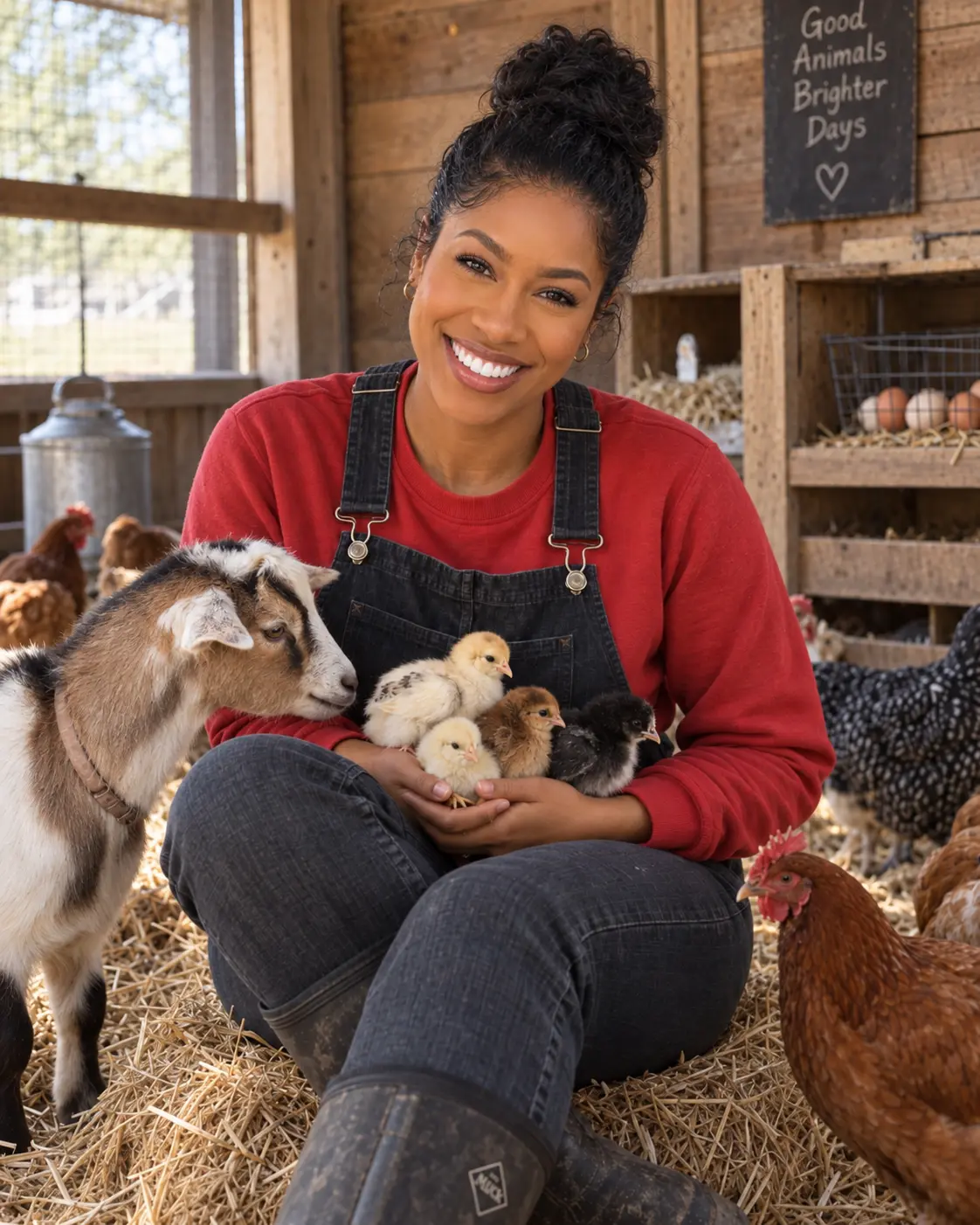
We farm raise and incubate our own chickens, source local feed to spoil them with, and let them graze in the open from sunrise to sunset. Between the incubating, the hatching, and the constant negotiations with birds who believe the porch is theirs, it is a full-time flock.
Here's the honest origin story: I got chickens for the eggs, but mostly for bug control. When we first moved here, we were being flooded with stink bugs and Japanese beetles. I went overboard building my first flock — and honestly, I still don't have enough. They've become such a joy and a calming presence for me, despite their random calls and crowing. It's rare that we see a Japanese beetle now, and while the stink bugs are still a nuisance, the chickens have cut their population down significantly.
Thanks to our barn cats and my dogs, we have only lost 4 out of more than 200 chickens to a fox. That number still stings — I remember every one — but our neighbors have lost entire flocks and dealt with mice on top of it. Being proactive about rescuing and raising my cats alongside the chickens saved us that headache.
What does pasture-raised actually mean?
There is no single legal definition of “pasture-raised” for eggs, so it can mean very different things from one carton to the next. Here is what it means on our farm: the chickens are outside on open ground from sunrise to sunset, scratching, foraging, dust-bathing, and eating a far more varied diet than a bag of feed alone could ever give them.
The benefits are real. Foraged eggs are known for deep orange yolks and rich flavor, and a chicken that can act like a chicken is simply a healthier, less stressed bird. The downside is just as real: open grazing means open access for predators. Hawks, foxes, raccoons, and snakes all consider a pasture-raised flock an invitation. You do not get the benefits without accepting that risk and planning for it.
Why the barn cats (and dogs) matter so much
Our setup works because we built an ecosystem that largely takes care of itself, for us and for the animals. The barn cats keep rodents in check — mice and rats eat feed, spread disease, and attract snakes — and the dogs make the property a very unappealing place for a fox to spend an afternoon. The chickens get to live outside like chickens, and we get to sleep at night.
That’s our experience here, not a guarantee that a few cats will predator-proof any flock. We still stay watchful, and we still lose sleep over it sometimes. But rescuing those cats and raising them alongside the chickens from the start is one of the best farm decisions we ever made — even if Petey has opinions about the vet bill.
The breeds in our flock
These are the breeds we personally keep, so everything below comes with feathers attached.
Brahma
Brahmas are the gentle giants of the chicken world — a large American breed developed from Asiatic stock in the mid-1800s. They have feathered legs and feet, a pea comb that handles cold well, and a famously calm temperament. They are steady brown-egg layers, including through winter, when plenty of other hens take the season off.
Amberlink
My favorite. Amberlinks are a hybrid layer prized for prolific brown eggs, hardiness, and a friendly, easygoing personality. They are not a show breed — they were bred to work — and they work beautifully. If I could only keep one line of chickens, the Amberlinks would win, and I would not even feel bad about it. Okay, I’d feel a little bad.
Barnyard mix
My other favorite, and the most fun to hatch. A barnyard mix is simply a chicken of mixed heritage, and every hatch is a surprise — different colors, patterns, combs, and personalities. Mixed-breed chickens often benefit from hybrid vigor, and I have hatched over 100 barnyard mix chicks this year alone. It never gets old.
Cochin
Cochins came from China to the West in the 1840s and helped spark the “hen fever” poultry craze. They are covered in fluff from head to toe, feathers and all, with a gentle disposition to match. They are also famously broody — a Cochin hen who decides she is hatching something will commit to the bit completely.
Jubilee
Jubilee Orpingtons were developed in England and introduced in 1897, named for Queen Victoria’s Diamond Jubilee. (A breed named after a Victoria, kept by a Victoria — I had no choice.) Their plumage is a rich mahogany patterned with black and white spangles, and like other Orpingtons they are calm, friendly, dual-purpose birds.
Ancona
Anconas are an old Italian breed, named for the port city of Ancona. They are mottled black-and-white — each feather tipped in white — and they lay white eggs. They are outstanding foragers: alert, active, and a little flighty, which is exactly what you want in a bird that spends its days out in the open watching the sky.
Rhode Island Red
The Rhode Island Red is an American classic, developed in Rhode Island and Massachusetts in the late 1800s, and it is the state bird of Rhode Island. They are hardy, adaptable, dual-purpose birds and famously dependable brown-egg layers. There is a reason nearly every backyard flock in the country has at least one.
More about chicken breeds and pastured poultry:
From The Daily Bleat
 I Went Overboard on Chickens (and I'd Do It Again)May 29, 2026