
The barn cats
Rescued, adopted, and running the place · The First State
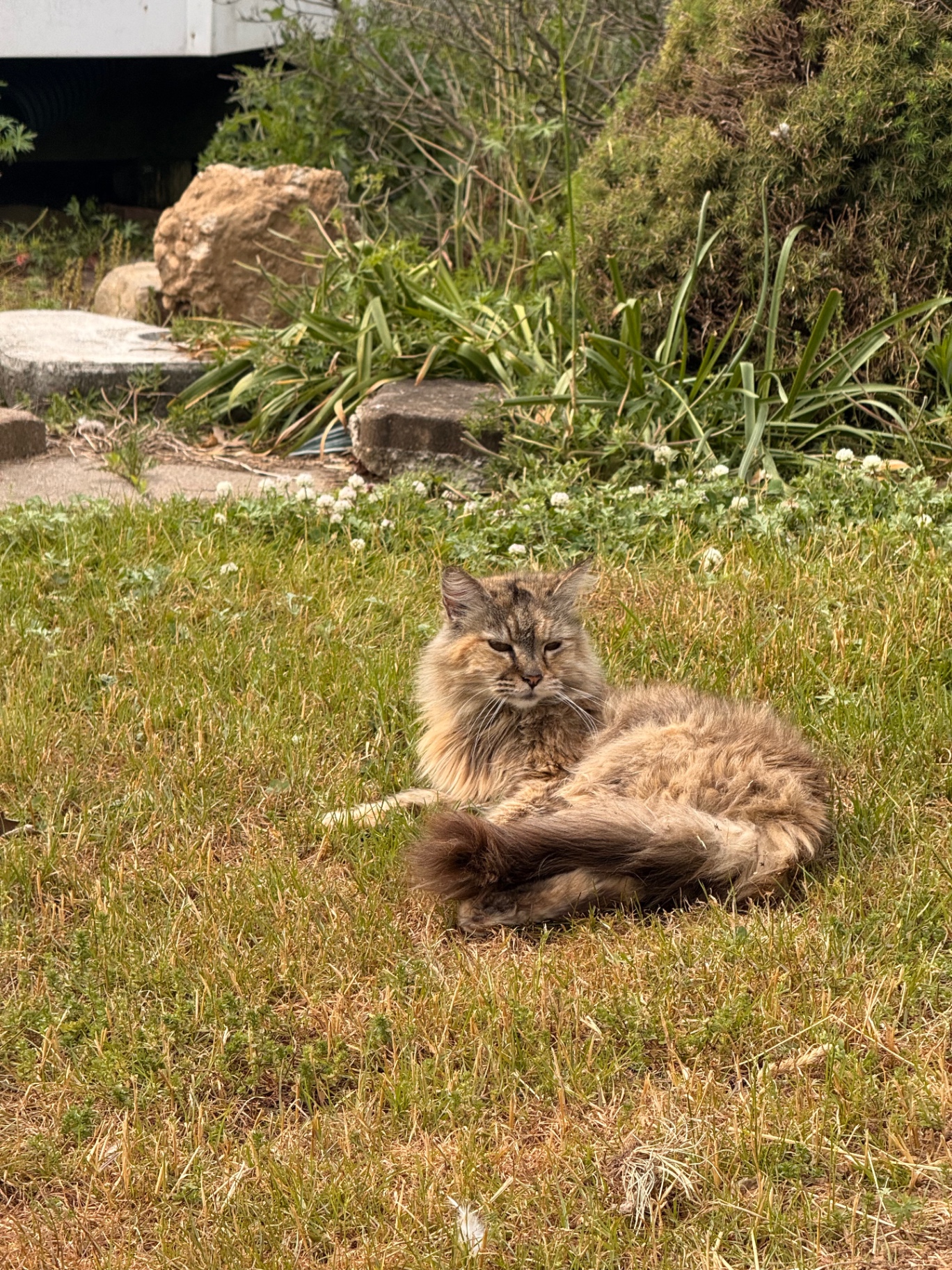
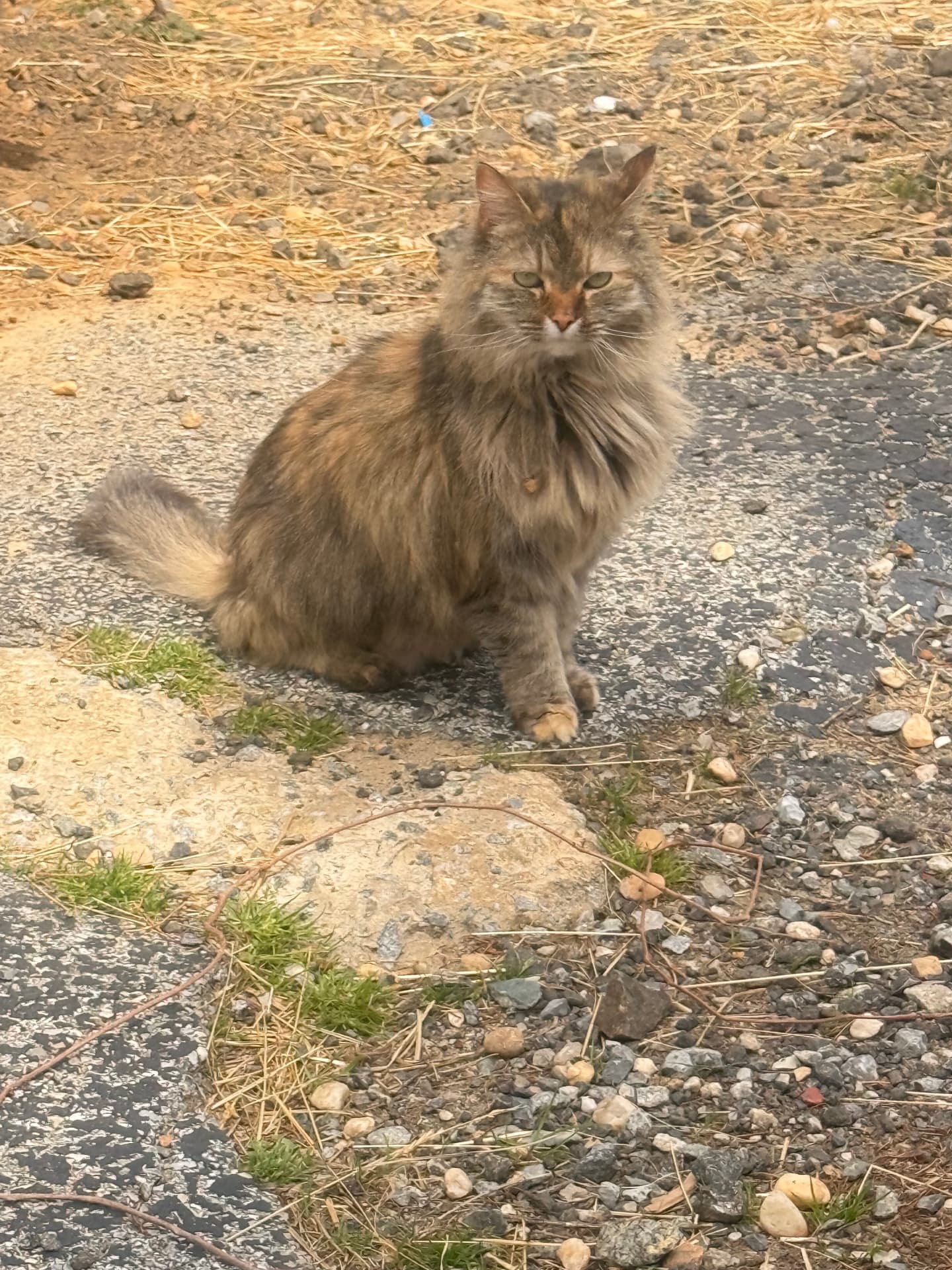
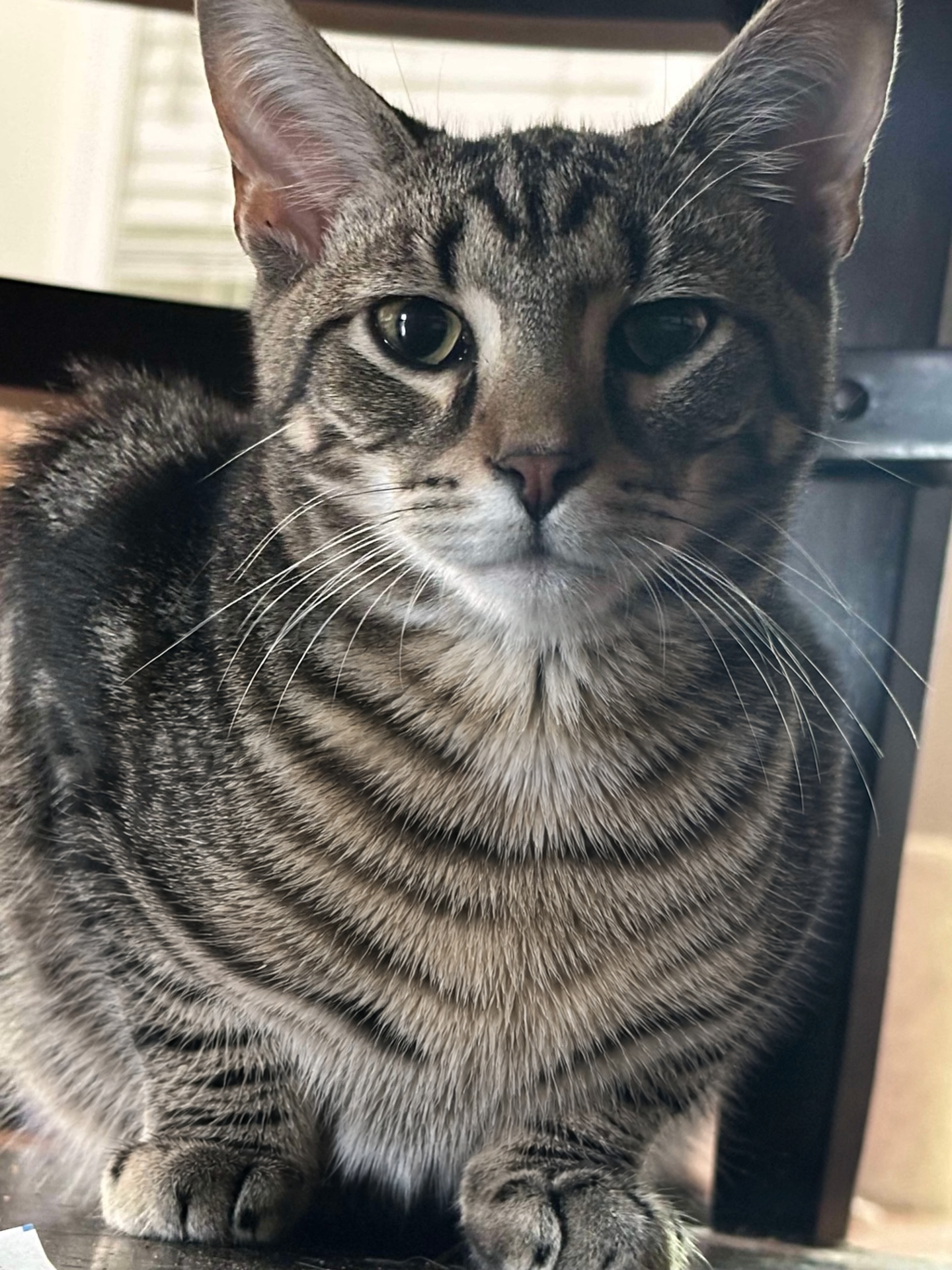
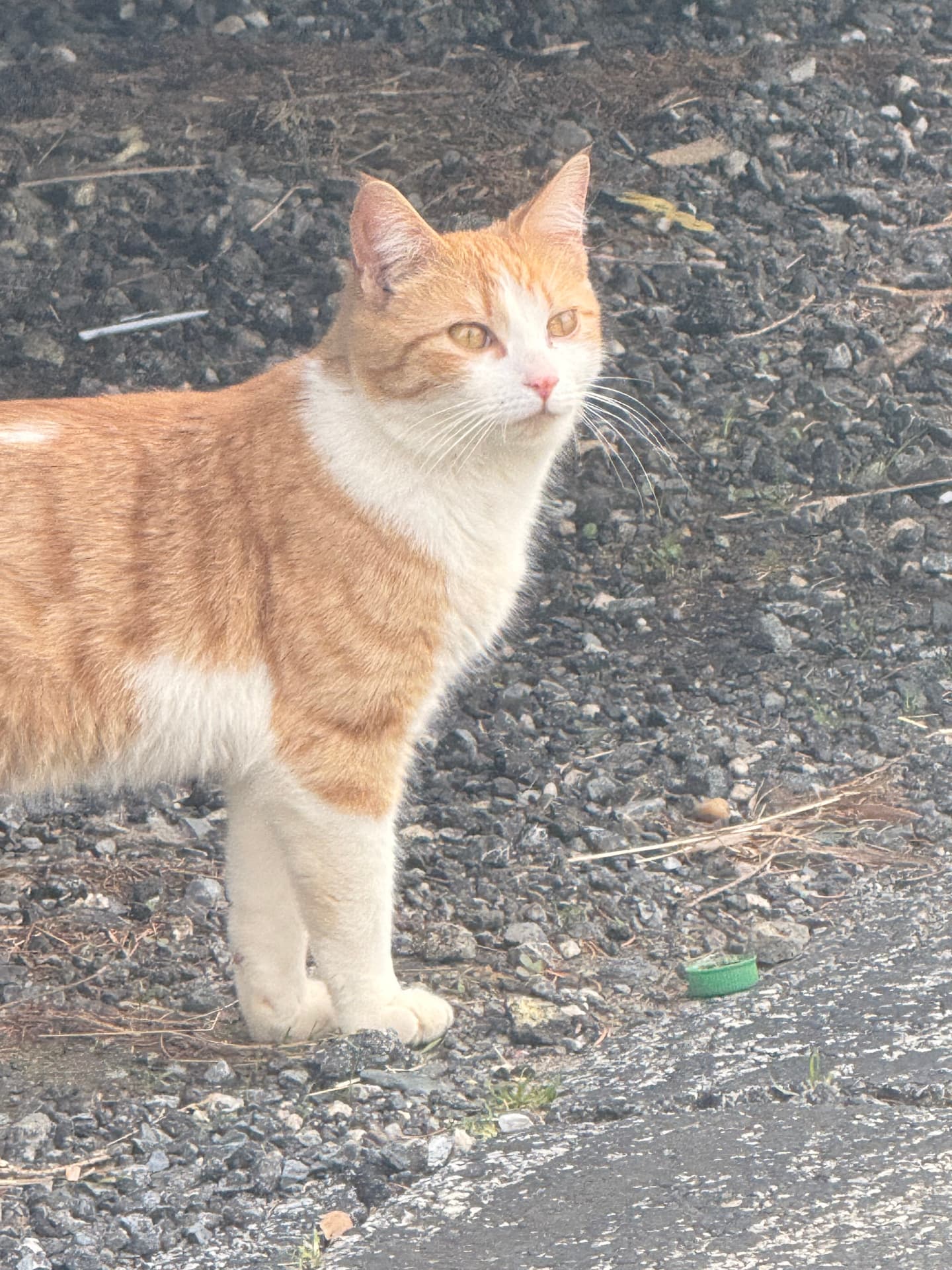
When we first moved here and brought home our goats, I saw two mice in the barn. Just two. But the people who owned this place before us designed and built every barn and shed themselves, and they did not do it cheap. I was not about to wait around and find out what mice could do to something I'd have to pay to fix. So, naturally, I adopted eleven barn cats. All at once.
I haven't seen a mouse since, unless one of the cats drops one at my feet. That's just what's worked for us, not a guarantee. Either way, they're farmily now.
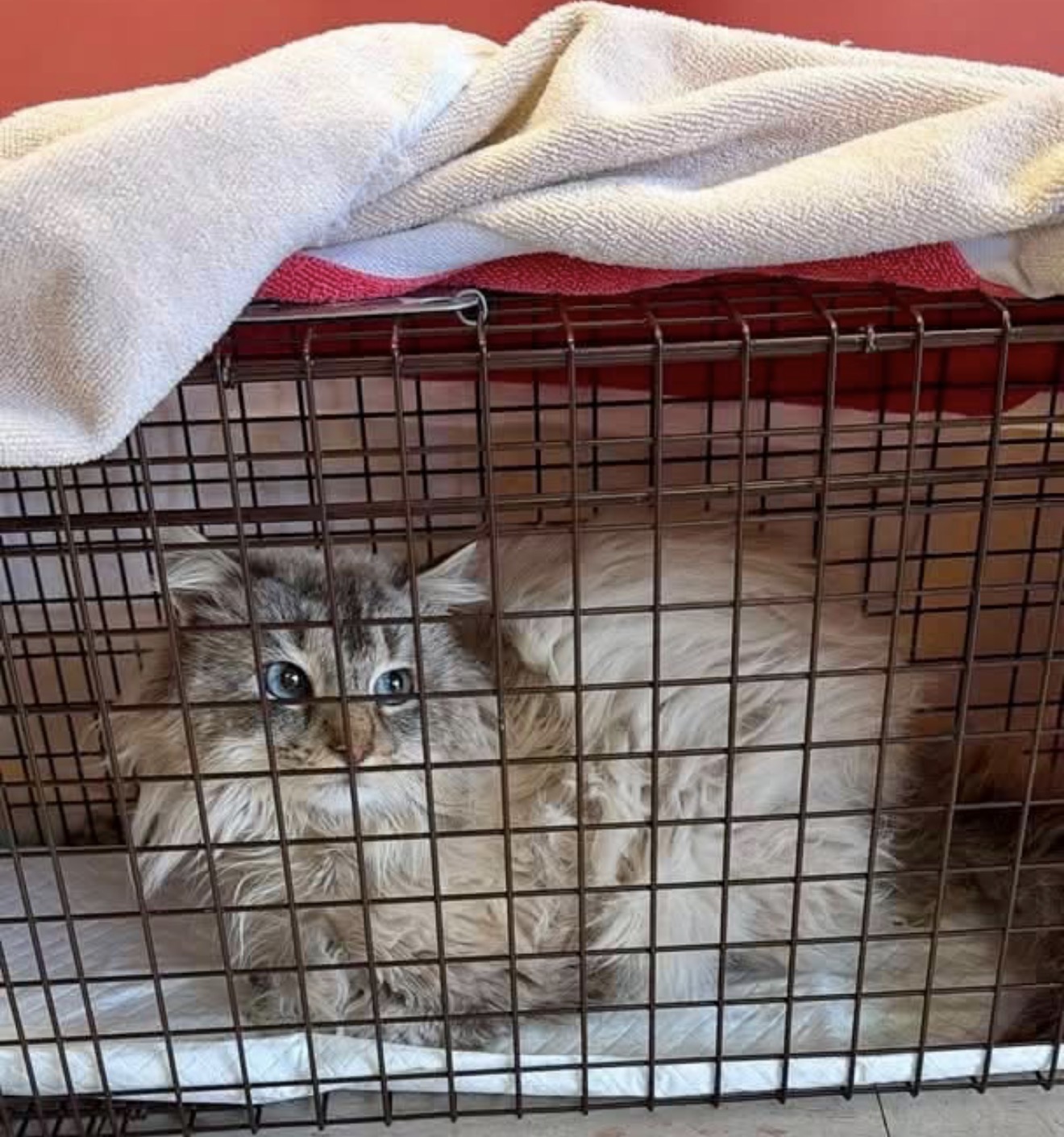
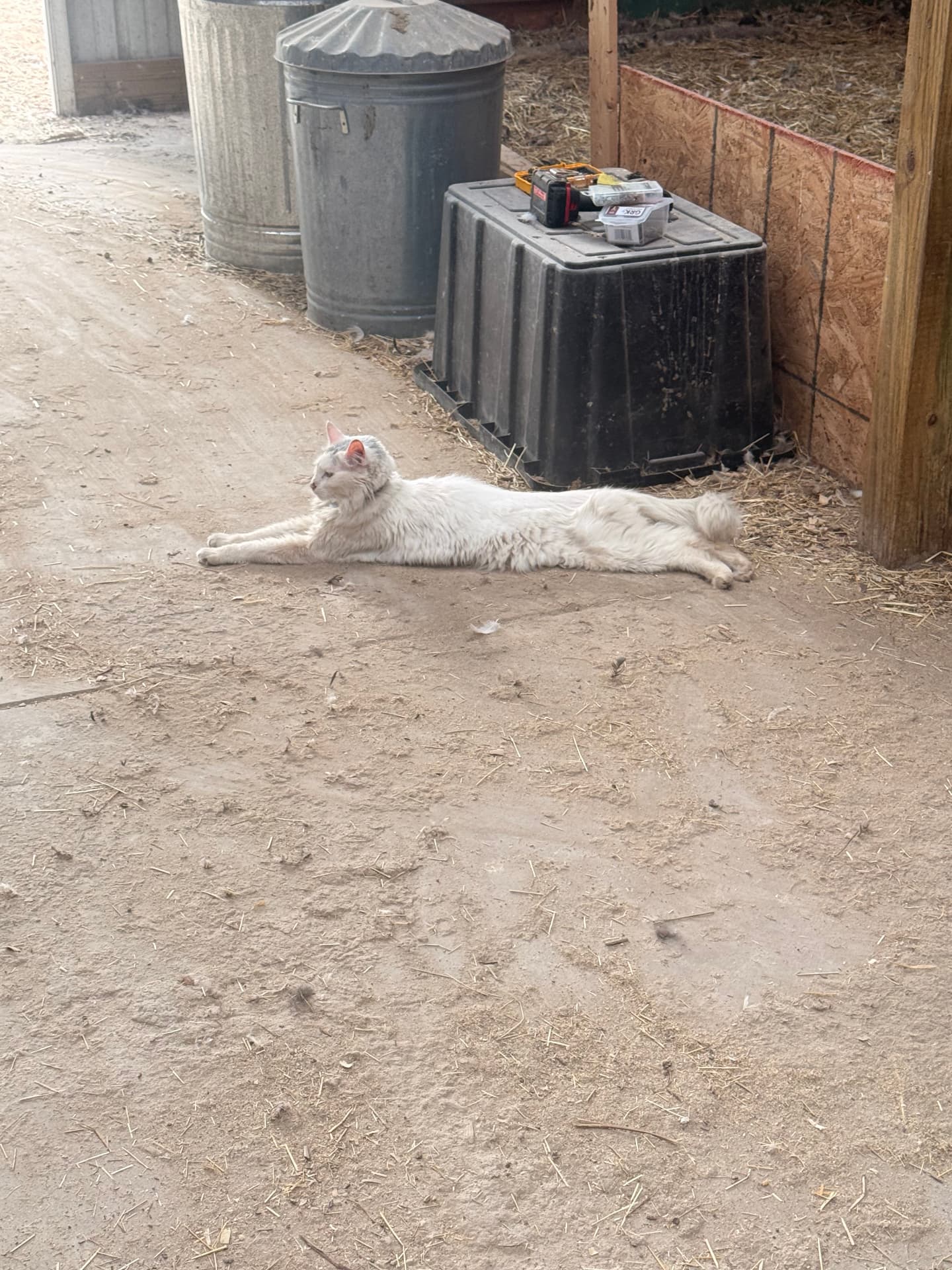
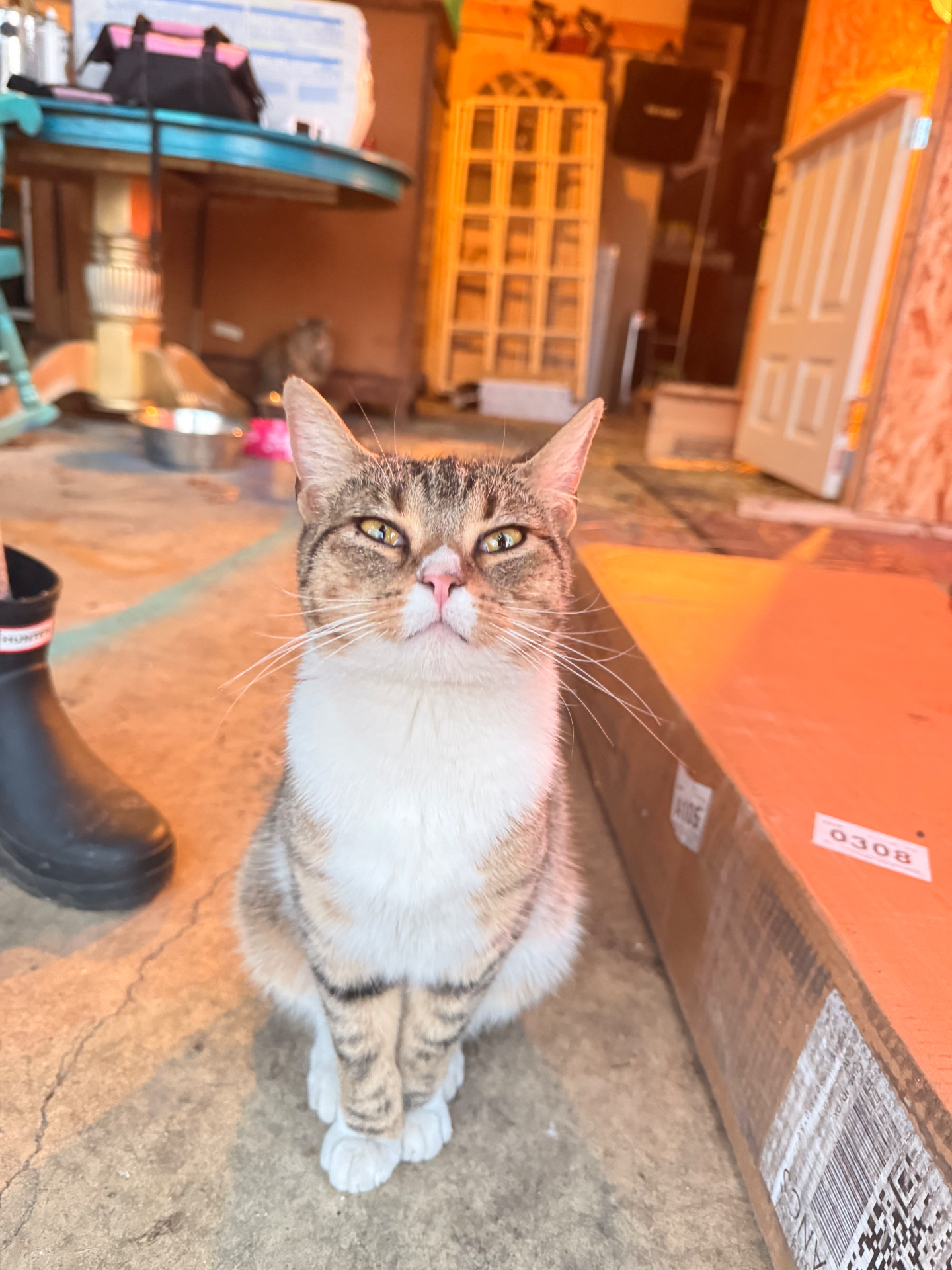
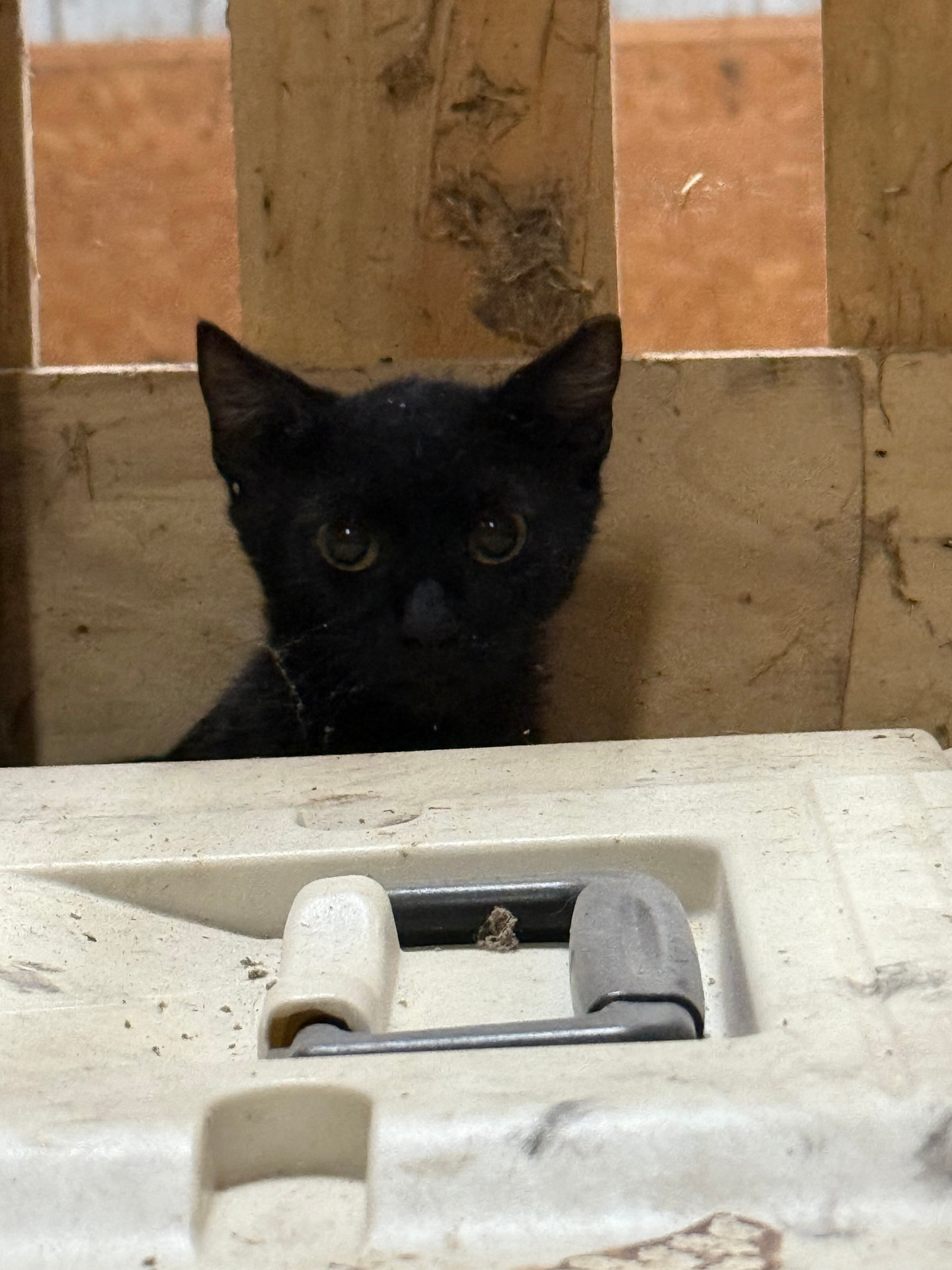
Three weeks to learn where home is
Adopting eleven cats wasn't the same as opening eleven carriers and wishing everybody luck. I wanted them to learn that this barn meant food, safety, and home. This is the three-week acclimation process I used — not a deadline every cat has to meet. Your rescue may recommend longer, and their instructions and your cats' needs come first.
Week 1: Covered cages, quiet, and a routine
I kept the cats in cages elevated on tables, with blankets covering the cages so they had a little privacy while everything around them was new. I changed the litter often, using horse pelletized bedding, and gave them wet food on paper plates, dry food, and water, of course. Very glamorous accommodations. The point was a secure place to settle in without being turned loose somewhere unfamiliar.
A cover should never block airflow or make a cage hot. The enclosure needs room for a hiding place, rest, and a litter box separated from food and water. Use stable tables, protect the cats from weather, and check with the rescue or your vet about an appropriate litter — pelletized horse bedding was my choice, not a requirement.
Week 2: Uncovered cages and a little bribery
The cages stayed. The only change to the setup was taking the blankets off, so the cats could see more of their new home while still having that secure base. I also started enticing them with treats. Churus are always a winner. I wasn't demanding friendship; I was giving them a reason to associate me with something good and letting trust take its time.
Week 3: Open doors, on their terms
The cages remained, but I opened the doors so the cats could come and go if they wanted. They could explore and still return to somewhere familiar. I didn't pull them out and tell them to get to work. This part is about choice, not eviction.
At the end of the three weeks, I removed the temporary setup except for the food stations. Our barn's communal eating place is right where I first saw those two mice. I do appreciate the irony.
For anyone following along at home: only start supervised access when the cats are ready and your rescue says the site is suitable. Keep permanent shelter, fresh water, food, and an accessible litter area available after the cages are gone. Some placement programs recommend four to six weeks of confinement, so don't rush a cat just because my calendar said three.
Questions people ask about barn cats
What is a barn cat?
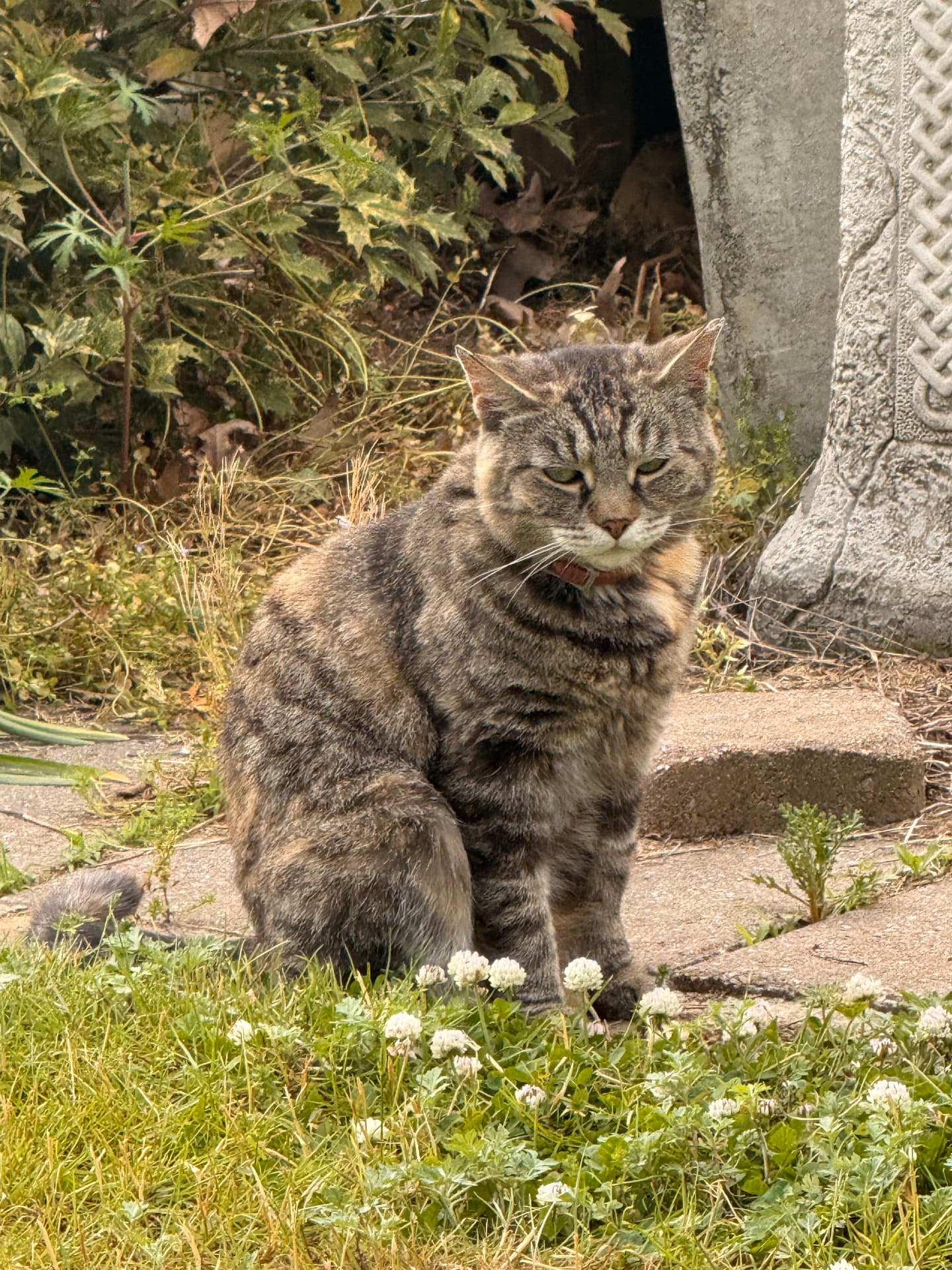
A barn cat is a domestic cat living around a barn, farm, or similar sheltered outdoor setting — not a special breed. Rescue programs also call them working cats. Some aren't comfortable being indoor pets or being handled; some eventually turn into the sweetest boys with permanently grumpy faces. Gio and Petey took a year to let me pet them. A job title doesn't tell you a cat's whole personality.
Do barn cats keep mice away?
They can catch mice, and here I haven't seen one since unless a cat brings me a little delivery. But that's my experience, not a guarantee of mouse-free barns. Keep feed in rodent-resistant containers, clean up spills, and close off entry points too. The cats are part of our ecosystem, not an excuse to stop being proactive. Rodent poison can harm cats directly or through poisoned prey, so talk to a pest professional about pet-safe options.
How do you keep a barn cat from running away?
Start with a secure acclimation area, a dependable feeding routine, hiding places, and time. Let them get familiar with the smells, sounds, and people before release, following the rescue's plan. That's why I didn't skip the cages. No process can promise a cat will never wander, but immediately turning a newly relocated cat loose doesn't give them much chance to learn where home is.
Do you need to feed barn cats if they hunt?
Absolutely. Hunting is not a meal plan, and keeping a cat hungry isn't good care. Give them complete cat food and fresh water every day, whether they bring you a mouse or spend the afternoon supervising from a patch of sun. Keep litter areas clean and arrange veterinary care, vaccinations, parasite prevention, and spaying or neutering with your vet.
Where can you find barn cats for adoption?
Ask local shelters and rescues about barn cat adoption or a working cat program. Tell them what shelter you have, how you'll acclimate the cats, and what daily care you can provide. They'll help match the cats to the setting. Not every cat belongs outdoors, and “free” doesn't mean free of responsibility. My eleven-cat response is a personal story, not a shopping list.
How do you keep barn cats warm in winter?
A barn roof alone isn't the whole answer. They need a dry, sheltered sleeping space protected from wind and wet weather, raised off the ground and checked regularly. For outdoor cat shelters, use straw rather than hay or blankets that can hold moisture. Keep drinking water from freezing. The blankets I used over acclimation cages aren't the same thing as winter shelter bedding.
How long do barn cats live?
There's no honest one-number answer for every barn cat. Health, shelter, veterinary care, traffic, predators, and other outdoor risks all matter. I wouldn't borrow an indoor cat's life expectancy and promise it for a cat living outside. What we can do is give them consistent care and take their safety seriously.
From The Daily Bleat
 Resting Grumpy Face: Confessions of Two Barn CatsJune 21, 2026